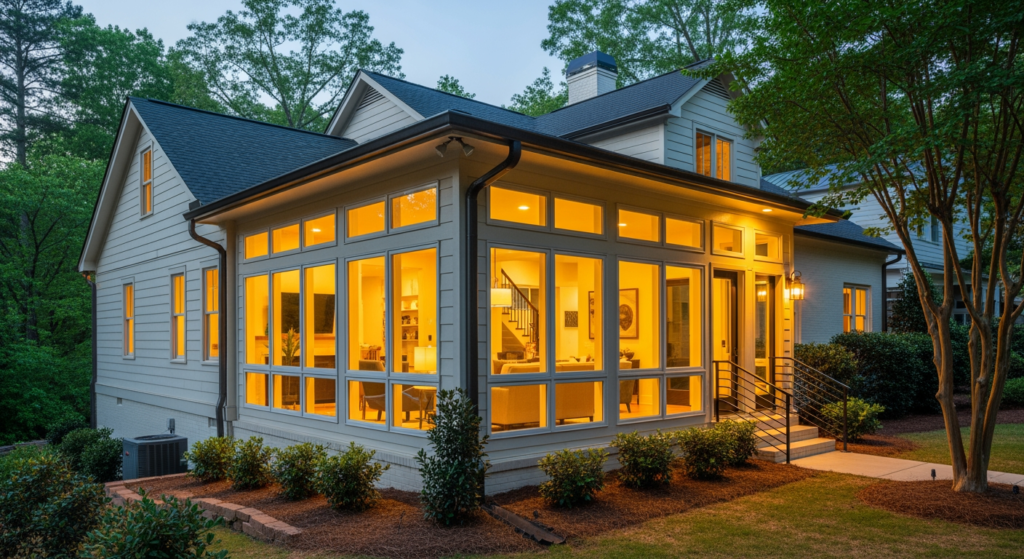
I’ve written about home remodeling across many neighborhoods, and when homeowners ask about expanding in this area I always point them to sensible, well-planned options like home additions Athens GA. If you’re weighing an addition, it helps to know how local trends, permitting, and long-term value can shape the final result — and why many homeowners in this region are choosing thoughtful expansions as a smarter alternative to moving. For a quick snapshot of how the population and housing trends are shifting in places like Athens, the U.S. Census Bureau homepage is a useful resource for context on growth and housing statistics.
Why an Addition Makes Sense in Athens
Athens is a city with a mix of older bungalows, mid-century homes, and newer infill projects. Instead of relocating, a lot of homeowners are choosing to grow their homes to keep what they love about their neighborhood while adding modern comforts. Additions can preserve mature yards and tree canopy, protect school district stability for families, and often cost less per square foot than buying and moving to a comparable home in the same part of the city.
Local buyers value outdoor living, flexible home offices, and multigenerational layouts. That combination makes additions — from second-floor expansions to accessory dwelling units (ADUs) — especially popular here.
Top Trends Shaping Home Additions Right Now
Several trends are driving how people plan additions in the area:
- Accessory Dwelling Units (ADUs) for rental income or aging relatives — compact, efficient, and often quicker to permit when designed right.
- Energy-efficient upgrades integrated into new spaces, including upgraded insulation, heat-pump HVAC, and high-performance windows that lower monthly bills and increase comfort.
- Hybrid construction methods — modular or panelized components — that reduce onsite time and disturbance to neighbors.
These trends reflect a broader push for resilience, lower operating costs, and multi-use spaces that adapt to remote work and family needs.
How to Plan an Addition that Fits Your Lot and Your Budget
Good planning avoids costly surprises. Start by measuring needs, not wants. A clear list of priorities saves time and money during design and construction. Think about who will use the space, how it will be heated and cooled, and whether you want the space to be flexible later on.
Practical steps to begin
- Define primary goals: more bedrooms, a larger kitchen, an ADU, or a family room.
- Set a realistic budget range and include a 10–15% contingency for unknowns.
- Check setback rules and zoning for your property early to avoid redesigns.
Permits, Zoning, and City Requirements
Permitting can feel like the most frustrating part, but getting it right protects your investment. Athens-Clarke County has specific rules about setbacks, lot coverage, and ADU allowances that affect what you can build. Engage early with the local planning office or a local contractor who handles permitting regularly. That reduces back-and-forth and helps you avoid work stoppages or costly rework.
If you have a historic home or live near a preservation district, plan for additional reviews. When in doubt, an early site visit from a contractor or architect who knows Athens neighborhoods can save weeks.
Design Ideas That Boost Value and Livability
Here are design moves that repeatedly deliver both daily enjoyment and resale value in this area.
Open-plan kitchen and living expansions
Removing a wall to create a larger gathering space is one of the most requested changes. Larger islands, better sightlines to outdoor living areas, and integrated storage can modernize an older footprint without increasing your lot coverage dramatically.
Second-floor additions and master suites
Adding a second story or expanding an existing one is a smart way to add square footage while preserving yard and curb appeal. A well-lit master suite with walk-in closets and a private bathroom typically yields strong market returns.
Accessory Dwelling Units (ADUs)
ADUs are increasingly attractive for rental income, home offices, or in-law suites. They can be detached, attached, or a conversion of existing garage space. Make sure your design accounts for privacy, separate utilities if needed, and legal rental requirements.
Energy and Sustainability: What to Include
Energy-efficient additions are not just about lower bills; they are about comfort and long-term savings. Consider these strategies when planning your project:
- Insulate above current code in walls and ceilings to reduce heating and cooling loads.
- Choose high-efficiency HVAC systems and right-size them for the new space rather than extending old ductwork alone.
- Install durable, low-maintenance exterior materials that suit the local climate and aesthetics.
These choices reduce operational costs and make your addition more appealing to future buyers who value efficiency and resilience.
Budgeting and Return on Investment
Costs vary widely depending on scope, finishes, and whether you match the existing home or go for a modern contrast. In many cases, thoughtful additions produce a strong return, especially when they add functional living areas like kitchens, bathrooms, or a full bedroom suite. To protect your budget:
- Get at least three itemized estimates and compare scope, timeline, and warranty terms.
- Prioritize structural work and systems (foundation, roof tie-ins, HVAC) before finishes.
- Use durable finishes in high-use areas to minimize maintenance costs over time.
How to Choose the Right Contractor in Athens
Hiring the right team changes everything. Look for local contractors with a strong portfolio of additions in Athens and nearby neighborhoods. Here’s what I always recommend checking before signing an agreement:
- Local references and recent project photos that show finished additions similar to what you want.
- Clear, written contracts with milestones, payment schedules, and a warranty for work performed.
- Licensing and insurance documentation, plus proof of any subcontractor relationships the company uses.
Trust signals matter: punctual communication, transparent pricing, and a willingness to walk a homeowner through permitting and utility coordination are all signs of a reliable builder.
Common Pain Points and How to Avoid Them
Unexpected costs, delays, and miscommunication top the list of homeowner frustrations. Here’s how to avoid the most common traps:
- Confirm whether utilities need to be relocated or upgraded, and get cost estimates early.
- Document decisions about finishes and fixtures in writing to prevent last-minute change orders.
- Plan for temporary living arrangements if your project affects key systems like kitchen or laundry.
Proactive planning and a realistic timeline minimize stress and keep your project on track.
Actionable Timeline: From First Idea to Move-in
Most small to mid-size additions follow a similar timeline. I’ll walk you through a practical schedule so you know what to expect.
Pre-design (1–4 weeks)
Develop your wish list, set a budget range, and meet with a designer or contractor for preliminary feasibility. Confirm zoning and lot constraints. This phase saves weeks later by identifying showstoppers early.
Design and permitting (4–12 weeks)
Work with a designer to produce construction documents. Submit for permits and address any required revisions. Timing depends on scope and whether your project needs special approvals.
Construction (8–20+ weeks)
Foundation, framing, rough-ins, inspections, and finishes. Unexpected site conditions can extend time, so maintain a buffer in your schedule.
Final inspections and move-in (1–2 weeks)
Complete punch-list items and secure final approvals. Enjoy your new space.
Frequently Asked Questions
How much square footage can I add?
Lot size, setbacks, and zoning determine allowable coverage. A local designer can quickly tell you the likely maximum after a site check.
Can I live in my home during construction?
Often yes, but if your addition affects key systems like the kitchen or main HVAC, plan for temporary arrangements. Small exterior additions are less disruptive than whole-house renovations.
How do I make an addition blend with a historic home?
Use similar rooflines, window proportions, and exterior materials. A subtle transition, like a connecting breezeway or a compatible porch, can preserve character while adding space.
Next Steps: How to Move Forward with Confidence
When you’re ready, schedule a site visit with a contractor who knows local code and has experience with the types of additions common to Athens neighborhoods. Prepare a short packet for that visit: photos of the home, a sketch of your desired footprint, and a list of must-haves and nice-to-haves. That gives the contractor a clear starting point for an accurate estimate and timeline.
Expanding your home in Athens can be a rewarding way to stay rooted in the city while improving daily life and long-term value. If you’re curious about realistic budgets, permit timelines, or design ideas for your lot, I recommend starting with a professional site assessment so you can make decisions with confidence.
For help planning or building an addition in Athens, reach out to Tipton’s Fine Tuned Carpentry to discuss your project and get a local perspective on design, permitting, and construction timelines.