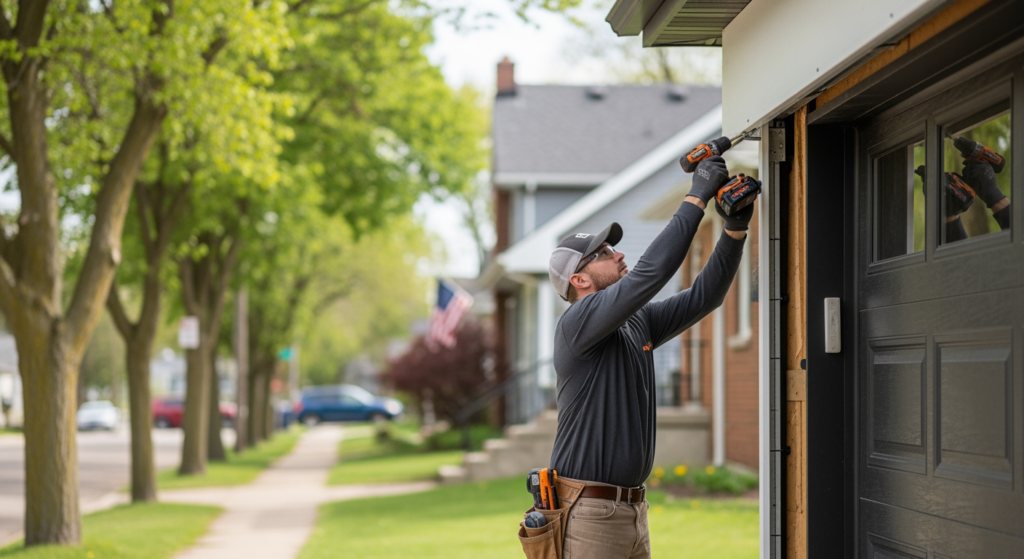
I’ve lived and worked in the Twin Cities long enough to know that a temperamental garage door is more than an annoyance — it can disrupt your day and create a safety risk. If you’re searching for garage door repair in St. Paul, MN, this guide will walk you through what to expect, what you can safely check yourself, and when to call in a pro. For local context, the city serves more than 300,000 residents and a wide variety of housing styles from century-old homes on Summit Avenue to newer developments in the east metro, which affects the kinds of doors and repair needs we see across neighborhoods. I also recommend checking the city’s official site for community resources and seasonal alerts at StPaul.gov.
Why timely garage door repair matters in this area
In St. Paul’s climate, repeated freezing and thawing plus heavy snow can accelerate wear on tracks, seals, and springs. A small imbalance can quickly become a bigger problem, and that’s when a door can jam, come off its track, or strain the opener. Beyond weather, a malfunctioning door affects home security and energy efficiency. I always tell homeowners that a working garage door protects more than the cars inside — it guards tools, bikes, and the entryway into your home.
Common garage door problems I see around Lowertown, Highland Park, and West Seventh
Across the city I notice similar symptoms popping up in both older and newer homes. Recognizing these common issues will help you describe the problem clearly to a technician and prepare for a repair visit.
- Broken torsion or extension springs causing uneven movement or a door that won’t open.
- Noisy operation from rollers, hinges, or worn tracks, especially after winter.
- Opener failure or intermittent remote response, often due to wiring, sensor misalignment, or aged openers.
- Door not sealing at the bottom or around the sides, which increases drafts and energy loss.
Quick DIY checks before you call for garage door repair
Some fixes are simple and safe to try before scheduling a service call. Do these basic checks only when the door is completely closed and you can work safely from the ground.
- Look for loose hardware and tighten any visible bolts or screws on hinges and track brackets.
- Clean and lubricate rollers, hinges, and the torsion bar using a silicone-based or lithium grease recommended for garage doors.
- Test the safety sensors placed near the floor on each side of the door; clean the lenses and ensure they line up.
- Inspect the weather seal along the bottom for gaps or cracking and note its condition for replacement.
When a problem needs professional garage door repair
Some situations are dangerous to handle alone. If you encounter any of the following, stop DIY work and contact a trained technician:
If the door is off its tracks, hanging unevenly, or if a spring is visibly broken, these are immediate safety risks. Torsion springs store a lot of energy and attempting to replace or adjust them without tools and training can cause serious injury. Similarly, if the motor smells like burning, stops mid-cycle, or if the door slams shut without resistance, these are signs that professional troubleshooting is required. Experienced technicians bring the right tools and safety procedures to resolve these issues quickly and safely.
What a reliable repair visit should include
A thorough service visit does more than fix the immediate symptom. When I inspect garage door work, I look for these key steps that a reputable provider should include:
- Full visual inspection of tracks, rollers, springs, cables, and the opener with a clear explanation of findings.
- Safety checks for auto-reverse function and sensor alignment to ensure the door will stop or reverse on contact.
- Balanced adjustment so the door opens smoothly by hand and the opener isn’t overworked.
- A written estimate or invoice that lists parts, labor, warranty information, and expected lifespan of replaced components.
Trending upgrades I recommend for St. Paul homeowners
Two trends I’m seeing pick up steam in the area are smart garage door openers and battery backup systems. Smart openers let you check and control your door from anywhere using your phone, which is a big convenience if you travel or rent your property seasonally. Battery backups keep your door operational during power outages — a useful feature during heavy storms. Energy-efficient insulated doors are also trending as homeowners seek to reduce energy loss in attached garages that connect to living spaces. These upgrades not only add convenience but also improve resale value for homes around the city’s sought-after neighborhoods.
Realistic cost factors to expect for garage door repair in this city
Repair costs vary based on parts, labor, and urgency. Common factors that influence price include the type of spring (torsion springs cost more to replace than extension springs), whether the opener needs replacement, and if you require emergency service outside normal business hours. While I won’t quote an exact number without inspection, understanding these factors helps you budget for repairs and discuss options with a technician. Ask if the company offers a clear warranty for parts and labor to protect your investment.
How to choose the right garage door repair company in St. Paul
Choosing a good contractor comes down to trust, transparency, and proven experience. Here’s a checklist I use when evaluating technicians:
First, confirm the company offers local service within St. Paul and knows neighborhood specifics like driveway slopes, detached vs. attached garages, and common door brands in the area. Look for technicians who explain the problem in plain language, provide photos or video of the issue, and offer itemized estimates. Ask about licensing and insurance; a solid provider will be open about coverage and will work in compliance with safety standards. Finally, request references or recent reviews from local customers to get a sense of responsiveness and workmanship.
Seasonal maintenance calendar for the local climate
Keeping a simple seasonal schedule can extend the life of your garage door and reduce emergency calls. Here’s a practical timeline that fits St. Paul’s weather pattern:
Early spring: Clean tracks and inspect for winter damage, check weather stripping and test the auto-reverse function. Late spring: Lubricate moving parts and tighten hardware. Fall: Prepare the door for winter by checking insulation and seals to prevent drafts and freeze-related sticking. Winter: Avoid DIY spring adjustments in freezing temperatures — call a pro if you notice sluggish operation or tricky balance issues.
Safety tips I always share with homeowners
Your garage door is heavy and mechanical; safety should never be an afterthought. Keep children and pets away from the door and remote controls, and store remote transmitters out of sight to prevent accidental activation. Don’t stand under a partially open door and avoid DIY spring work. If you ever see frayed cables, rusted components, or a sudden change in how the door moves, schedule a professional inspection right away.
Typical questions I hear from local homeowners
Homeowners often ask whether it’s worth repairing an older door or replacing it altogether. My response: if the door has multiple failing components, significant warping, or poor insulation and it’s more than 15–20 years old, replacement may offer better long-term value. Another frequent question is how long repairs take. Most common repairs like sensor alignment, weather strip replacement, or lubrication can be done in under two hours. Major part replacements like torsion springs or a full opener swap may take a few hours depending on parts availability.
Simple steps to prepare for a technician visit
Preparing a work area helps speed service and keeps costs down. Clear the driveway and garage entry so the technician can park and work safely. Make a short list of symptoms and any noises or times the problem occurs — detail helps the technician diagnose faster. If your door was installed by a previous owner, try to find any manuals or opener model numbers; these details can streamline parts selection.
Final thoughts and next steps
A reliable garage door keeps your family safe, your home secure, and your day running on schedule. Whether you’re dealing with a stuck door after a Minnesota storm, planning an upgrade to a smart opener, or simply scheduling seasonal maintenance, prioritizing safety and working with a local expert will save time and money. If you want an experienced, local team to inspect your door, you can reach out to AA Garage Door for service in St. Paul and the surrounding neighborhoods.