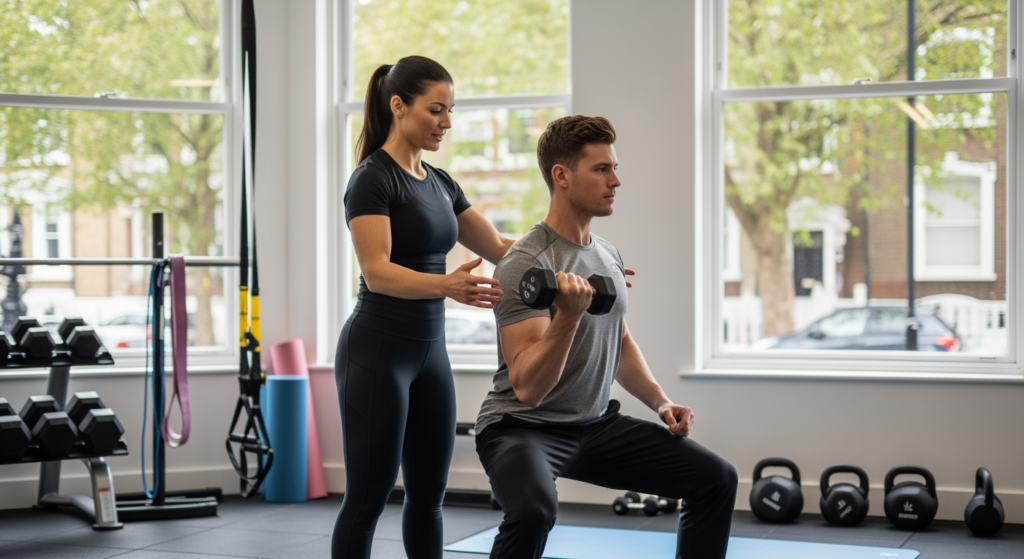
Quick answer: Personal training in Stoke Newington is worth it if you want faster progress, safer technique, and a plan that fits your schedule and goals. A good trainer will assess how you move, build a realistic program, and keep you accountable so sessions don’t drift into “doing a bit of everything.” You’ll also learn how to train on your own between sessions without guessing.
What You Actually Get From a Local Personal Trainer
When you book personal training Stoke Newington, you’re not just paying for someone to count reps. You’re paying for a clear route from where you are now to where you want to be—whether that’s fat loss, getting stronger, returning after an injury, or simply feeling more confident in the gym.
A solid trainer starts with an assessment (movement, strength, habits, and constraints like old niggles or busy weeks). From there you get a plan that’s specific: what to do, how often, how hard, and how to progress. The most valuable part is coaching your technique in real time—small fixes to posture, breathing, and tempo can be the difference between steady progress and a sore back.
You also get accountability that’s hard to replicate alone. Knowing someone is tracking your sessions and adjusting your program keeps you consistent, and consistency is what changes your body and fitness.
How Many Sessions Do You Need to See Results?
Most people notice early wins in 2–4 weeks: better energy, improved form, and workouts that feel more purposeful. Visible body changes usually show up over 6–12 weeks, especially if training is paired with sensible nutrition and sleep.
Frequency depends on your confidence and goals. One session a week works well if you’ll train independently 1–3 more times and want regular check-ins for form and progression. Two sessions a week is ideal if you’re newer, rebuilding after time off, or you know motivation drops without structure. Some people do a short block of higher frequency (for example, 4–8 weeks) to learn the basics, then taper down to maintenance sessions.
How to Choose the Right Trainer (and Avoid Wasting Money)
Look for a trainer who asks good questions and gives clear answers. You should leave the first conversation understanding what the plan will focus on and how progress will be measured (strength numbers, waist measurements, performance goals, or pain-free movement milestones).
Good signs include: coaching cues you can repeat, a warm-up that matches your needs, and progressions/regressions that make exercises feel challenging but controlled. Red flags include copy‑and‑paste workouts, pushing through sharp pain, or a one-size-fits-all approach to food.
It’s also worth checking the practical fit: session times you can keep, a location you’ll reliably travel to, and a communication style that motivates you without making you dread training.
What to Do Before Your First Session
Arrive with a simple goal and a few details: what you want to change, what’s stopped you before, any injuries, and what a typical week looks like. Wear something you can move in, bring water, and don’t worry about being “fit enough” to start—your trainer will scale everything.
If you can, keep a short note of your current activity and sleep for a week. That gives your trainer a realistic starting point and helps set targets you can actually stick to.
If you want a straightforward plan and coaching that meets you where you are, KBPT Personal Training East London is a solid place to get help.