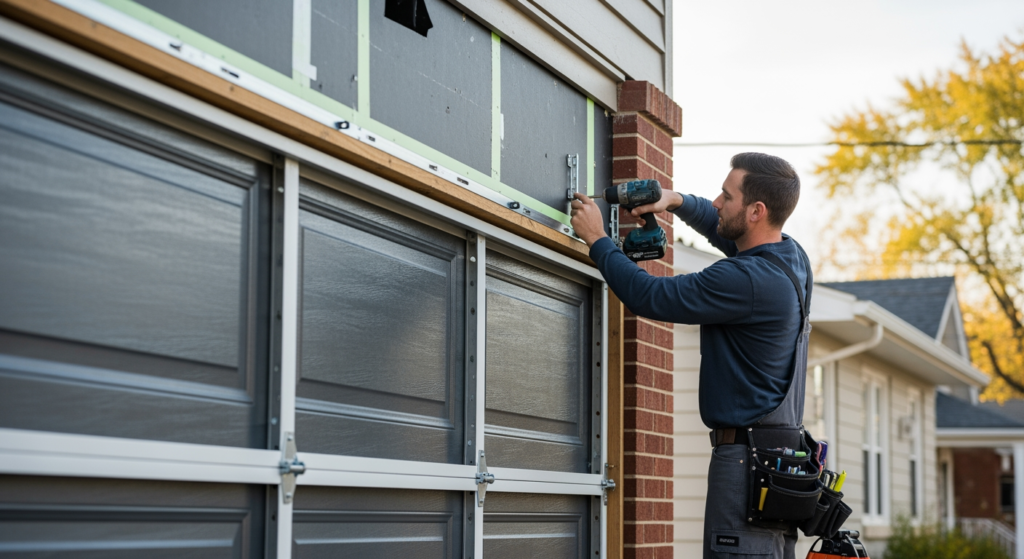
I know how disruptive a stuck or noisy garage door can be, so I put together this practical guide to garage door repair in St. Paul, MN to help you act fast and smart. For neighborhood information and local housing trends that affect homeowners, I also check federal data sources for context at Census.gov, which is helpful when planning upgrades and understanding repair demand across the city.
Why timely garage door repair matters in the city
Your garage door is more than a convenience. It protects your car and storage, improves curb appeal, and is a primary entry point for many homes. In St. Paul, where winters are long and temperatures swing widely, a small mechanical issue can quickly turn into a safety hazard or an expensive repair. I always recommend addressing strange noises, slow movement, or visible damage right away so a minor problem doesn’t become a full replacement.
Top garage door problems I see around St. Paul
Living and working in the area teaches you which problems are seasonal and which are mechanical. Here are the most common issues homeowners call about:
Worn or broken springs
Garage door springs bear a lot of weight and wear out over time. When a spring breaks the door can become unbalanced, heavy to lift, or fail to open. This is one of the most urgent repairs because a snapped spring can be dangerous. I never recommend attempting spring replacement without proper tools and training.
Malfunctioning openers
Openers fail for electrical, sensor, or motor reasons. You might notice the door opens partway, reverses unexpectedly, or the remote stops responding. Often a clean, recalibrated sensor or simple motor maintenance solves the issue, but sometimes replacement is the safest long-term fix.
Doors off track or noisy rollers
Damage, old rollers, or buildup of grime can pull a door off track or make it sound rough. Off-track doors can jam and pose safety risks, so straightening and lubrication are typical first steps followed by roller replacement if needed.
Weather-related problems
Minnesota winters bring ice, salt, and cold that affect seals, sensors, and metal components. I often see frozen bottom seals, sluggish openers, and adhesive failures with weatherstripping. Addressing insulation and seals before the cold intensifies saves money and keeps the home warmer.
Seasonal and safety issues specific to Minnesota
Because of the climate, I prioritize different checks during each season. In winter I look for frozen tracks and brittle weather seals, while in spring I focus on moisture-related corrosion and lubrication. Safety sensors and auto-reverse systems must be tested regularly, especially after storms or rough weather, since malfunctioning safety features are a major liability.
Two trending topics shaping repairs
Two trends are changing how homeowners approach garage doors:
- Smart integration and automation. More people are adding smart openers, Wi-Fi controls, and secure remote access. These offer convenience but require careful installation and cybersecurity awareness.
- Energy efficiency and insulation. As heating costs rise and more homeowners install EV chargers in garages, insulated doors and tighter seals are growing priorities to reduce energy loss.
How I diagnose a garage door problem
When I walk into a job, I follow a consistent process that finds the root cause quickly. This keeps repair costs predictable and avoids unnecessary parts swaps.
- Visual inspection of panels, springs, cables, tracks, rollers, and weather seals to spot wear or damage.
- Functional test of openers, remotes, and photo-eye safety sensors while listening for unusual noises and checking speed.
- Balance test by disconnecting the opener and lifting the door manually to check for heavy or uneven movement.
- Electrical check of the opener and wall controls, including outlet and wiring integrity.
DIY fixes you can try safely
There are sensible maintenance steps homeowners can take to extend the life of their garage door and avoid emergency calls. Do these only if you feel comfortable and the door is in good condition.
- Clean and lubricate rollers, hinges, and tracks with a garage-door safe lubricant every six months to reduce friction and noise.
- Tighten loose hardware and bolts. Vibration can loosen fasteners over time and lead to misalignment.
- Test auto-reverse safety by placing a wood block on the ground under the door; the door should automatically reverse when it contacts the block.
- Inspect and replace weatherstripping at the bottom and sides to keep out drafts, water, and pests.
When to stop DIY and call a professional
I always tell homeowners to call a pro for anything involving springs, cables, or major opener repairs. These parts store a lot of tension and can cause injury if mishandled. You should also call for service if the door is off the track, the opener emits burning smells, or if adjustments don’t restore smooth, consistent movement.
What a reputable repair visit should include
When you book a repair in St. Paul, expect a technician to:
Arrive on time with a truck stocked with common components, perform a full safety inspection, explain issues in plain language, and provide a transparent estimate before work begins. A thorough visit also includes testing sensors, checking balance, and demonstrating the door working after repairs. If a replacement is needed, good providers will show options for materials, insulation, and opener compatibility.
Costs and timing
Repair costs vary depending on parts and labor. Simple maintenance and lubrication are quick and affordable, while spring or opener replacements cost more. I always recommend getting a clear, written estimate that breaks out parts, labor, and any warranty. Fast-response emergency calls are often pricier due to after-hours availability, so consider scheduling preventive checks to avoid last-minute expenses.
How upgrades improve safety and home value
A well-maintained, insulated garage door adds curb appeal and can protect HVAC efficiency. Smart openers add convenience and secure access logging, which is handy for package deliveries or service visits. Upgrading to a heavier-gauge insulated panel reduces noise, helps with winter heating, and can be a selling point if you put your home on the market. I like to show homeowners how a modest investment now can reduce energy costs and maintenance later.
Emergency repair tips while you wait for service
If your door fails suddenly, there are safe short-term steps you can take to secure your home and minimize damage while you wait for a technician. First, disconnect the opener by pulling the emergency release cord, but only do this if the door appears balanced and won’t slam shut. Use a manual lock or padlock on the inside to secure the door if it won’t close fully. Avoid standing under a partially open door and keep children and pets away from the garage until it’s fixed.
How I help St. Paul homeowners long-term
My goal is to give you clear options: repair, replace, or maintain. For repairs I focus on durable parts and long-term fixes rather than temporary patches. For replacements I consider insulation, panel material, and the right opener to match your lifestyle. I also educate homeowners about seasonal care so the garage door performs reliably year-round.
Final checklist before you call for service
Before you schedule a repair, I recommend gathering a few details so the technician can come prepared. Note the type of problem, when it started, and any strange sounds. If you’ve done recent DIY work, mention what you tried. Photos or short video clips of the issue are incredibly helpful for an accurate estimate and faster repair.
If you’re ready to schedule a repair or want an honest assessment of options for replacement, contact AA Garage Door. I trust their local experience and responsiveness for homes across St. Paul and nearby neighborhoods.